© Global Voices Ltd 2026. All Rights Reserved.
Looking to expand globally? Discover why standard translation fails marketing campaigns and how marketing translation services drive real growth.
Blogs
Looking to expand globally? Discover why standard translation fails marketing campaigns and how marketing translation services drive real growth.
Blogs
Emma Lauchlan
17 July 2026
Trust is the hardest thing to build and the easiest thing to lose, especially when you are communicating across borders.
We have all seen it happen: a company expands into a new territory, launches a shiny new campaign, and… silence. Or worse, confusion. The visuals are perfect, the product is great, but the words just do not land. They feel “translated.”
To truly compete in international markets, you need more than a dictionary. You need to sound like a local, not a tourist with a phrasebook. This is where Marketing Translation Services come in. In this guide, we explore why adaptation matters, the crucial difference between localisation and translation, and how to leverage video assets for global reach.
Marketing is not about exchanging words; it is about exchanging ideas and emotions. A direct translation of a witty English tagline into German might lose its humour completely, while a Japanese translation of a bold sales pitch might sound aggressive and rude rather than confident.
Professional marketing translation, often called transcreation, focuses on the intent of the message. It asks: How do we make the target audience feel the same excitement the original audience felt?
This level of creative nuance requires specialised linguistic talent who understand specific industry verticals and creative objectives.
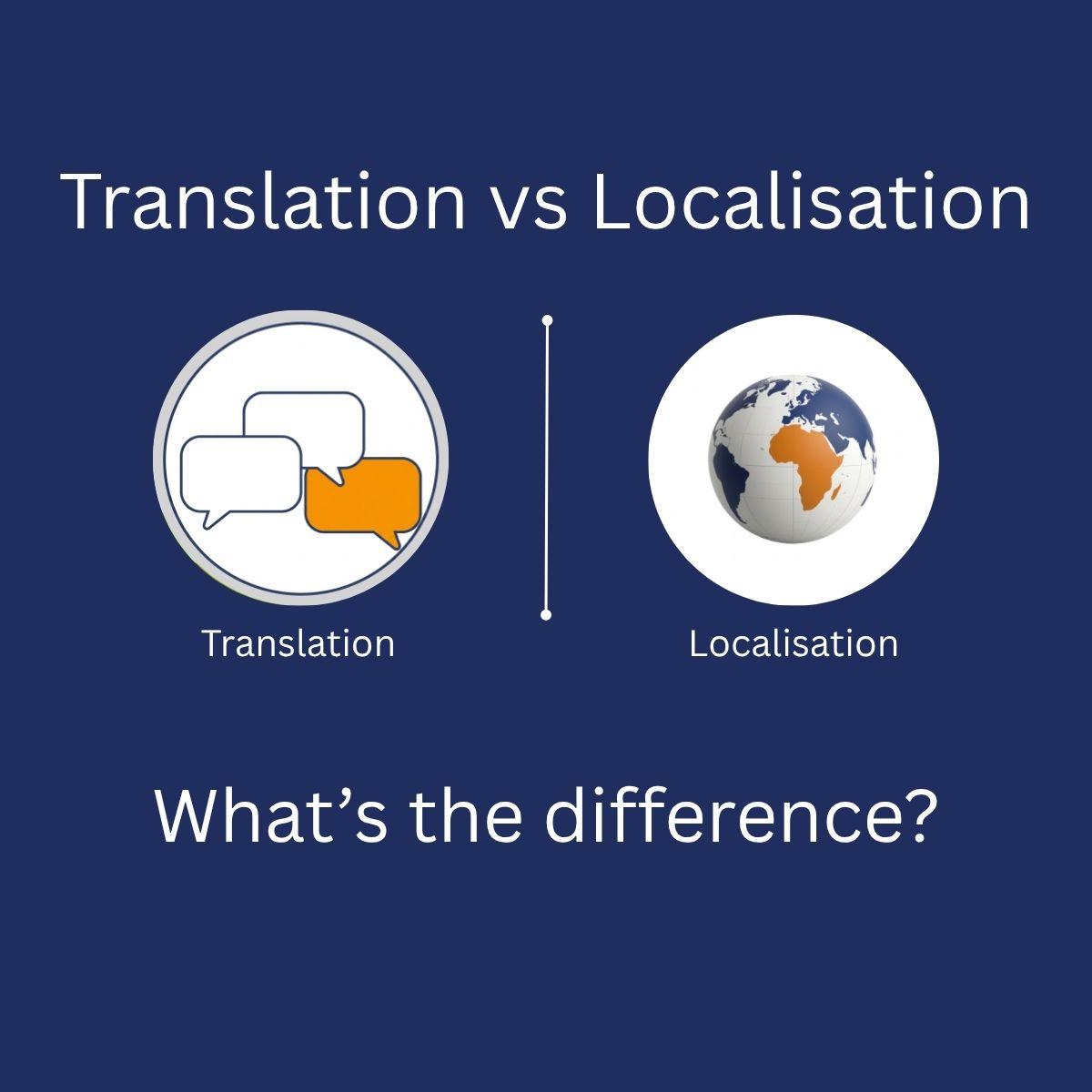
If you want your content to rank on Google or be cited by AI search tools, you must understand this distinction.
For example, a British company expanding abroad does not just need Arabic text; they need to ensure their imagery and tone respect local customs.
Pro Tip: Never cut corners on localisation for high stakes markets. Relying on generalist translation for crucial marketing campaigns is one of the primary reasons global product launches fail.
Text is vital, but video is king. The vast majority of modern buyers watch video content during their purchasing journey. However, if your video is only in English, you are ignoring a massive segment of the global market.
Video Subtitling and voiceovers are the fastest ways to repurpose your existing assets for a global audience. But be careful: subtitling for marketing requires strict adherence to timing, reading speeds, and on screen space, all while maintaining the persuasive punch of the script.
For high end audiovisual adaptation, it is essential to work with dedicated media specialists who ensure your video content retains its production value across borders.
Translation converts words from source to target language. Transcreation (creative translation) adapts the message, tone, and style to elicit the same emotional response in the target culture, often requiring significant rewriting.
Many decision makers consume content on mobile or without sound. Subtitling ensures your message is accessible. Furthermore, translating subtitles allows you to reach international markets without the high cost of re filming.
Yes. Generalist translators may miss idioms, cultural nuances, and persuasive copywriting techniques. Using specialised services ensures your marketing copy sells, rather than just informs.