© Global Voices Ltd 2026. All Rights Reserved.
Statistics show that offering your website in multiple languages helps you reach more people, build trust, and grow faster. Here's why it works so effectively.
Blogs
Statistics show that offering your website in multiple languages helps you reach more people, build trust, and grow faster. Here's why it works so effectively.
Blogs
Emma Lauchlan
17 July 2026
If you are seriously trying to grow your business in new markets, it is easy to focus on pricing, distribution, or advertising. But there is one element that often gets overlooked, and that is language. Translating your website is one of the most cost-effective ways to improve performance in international markets.
The latest research confirms what many multilingual customers already know. A website that speaks the customer’s language will not only reach more people, it will also lead to better engagement, more conversions, and stronger long-term loyalty.
Only about 25 percent of internet users are native English speakers. That means the vast majority of your potential audience prefers content in a different language. Yet most business websites continue to prioritise English alone.
According to CSA Research, more than three-quarters of global consumers prefer to buy from websites written in their own language. Even more significantly, 40 percent said they would not buy from a website at all if it was not available in their native language.
By translating your website into just two or three additional languages, you could expand your audience by up to 75 percent. This is not just a theoretical benefit. It is a measurable and sustainable way to grow your online presence.

Translation is not just about words. It is about trust. People feel more confident when they can read product information, terms, or instructions in a language they fully understand.
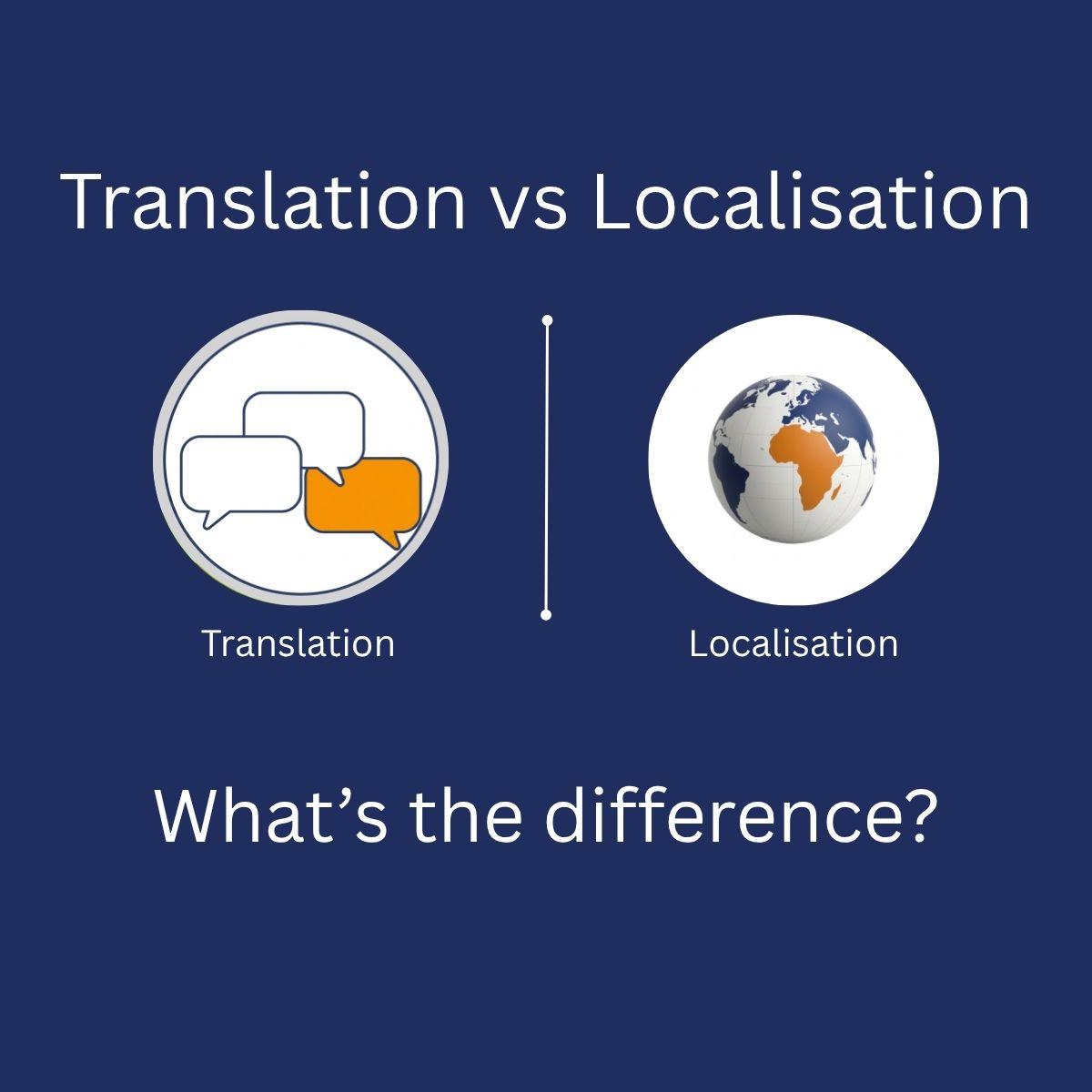
MotaWord’s 2024 study found that multilingual websites often experience a 50 to 70 percent increase in conversion rates. This is because localisation goes further than translation. It considers culture, tone of voice, visuals, and even layout. When your website feels natural to a local audience, they are far more likely to take action.
Search engines do not just index content by topic. They also take into account the language of the user. If someone searches in French or Arabic, and your website is only in English, it is unlikely they will find you in their search results.
Multilingual websites that are correctly structured with language tags, translated metadata, and regional keywords perform significantly better in international search results. This improves your visibility, increases organic traffic, and creates more qualified leads.
Data from academic and industry sources continues to support these results.
A study by Almeghari in 2018 found that e-commerce websites offering multiple languages received 175 percent more international visitors, 96 percent more page views, and 124 percent longer average visits. These improvements were not marketing claims. They were direct observations based on user behaviour.
Further research from Harvard Business Review showed that businesses with a clear multilingual strategy were far more likely to report strong revenue growth.
Meanwhile, Forrester’s 2024 analysis of translation technology found that businesses using human translation workflows could expect up to 345 percent return on investment.
All of this suggests that translating your website is not just a communication tool. It is a genuine business asset.
You do not need to translate your entire site to see results. Start by identifying the countries or regions where your products or services already have potential. Then choose the most relevant languages for those audiences.
Translate your highest-performing pages first. This usually includes your homepage, main service or product pages, and lead generation forms. Make sure your provider supports localisation and multilingual SEO, not just word-for-word translation.
Measure the results of each translated version. Look at traffic, bounce rates, time on site, and conversion rates. Use that data to plan your next language rollout.

At Global Voices, we work with businesses across the UK and Europe to create multilingual websites that feel native, perform well, and reflect your brand professionally in every language.
Our services include native-speaking translators, editors, and localisation experts. We combine this human expertise with modern technology to increase speed, reduce costs, and ensure consistency across all content.
We follow ISO-certified processes and offer multilingual SEO as part of our standard service. We also assign a dedicated project manager to every client, so you always know who to speak to.