© Global Voices Ltd 2026. All Rights Reserved.
How Language Strategy Drives Global Business Growth
Blogs
How Language Strategy Drives Global Business Growth
Blogs
Emma Lauchlan
17 July 2026
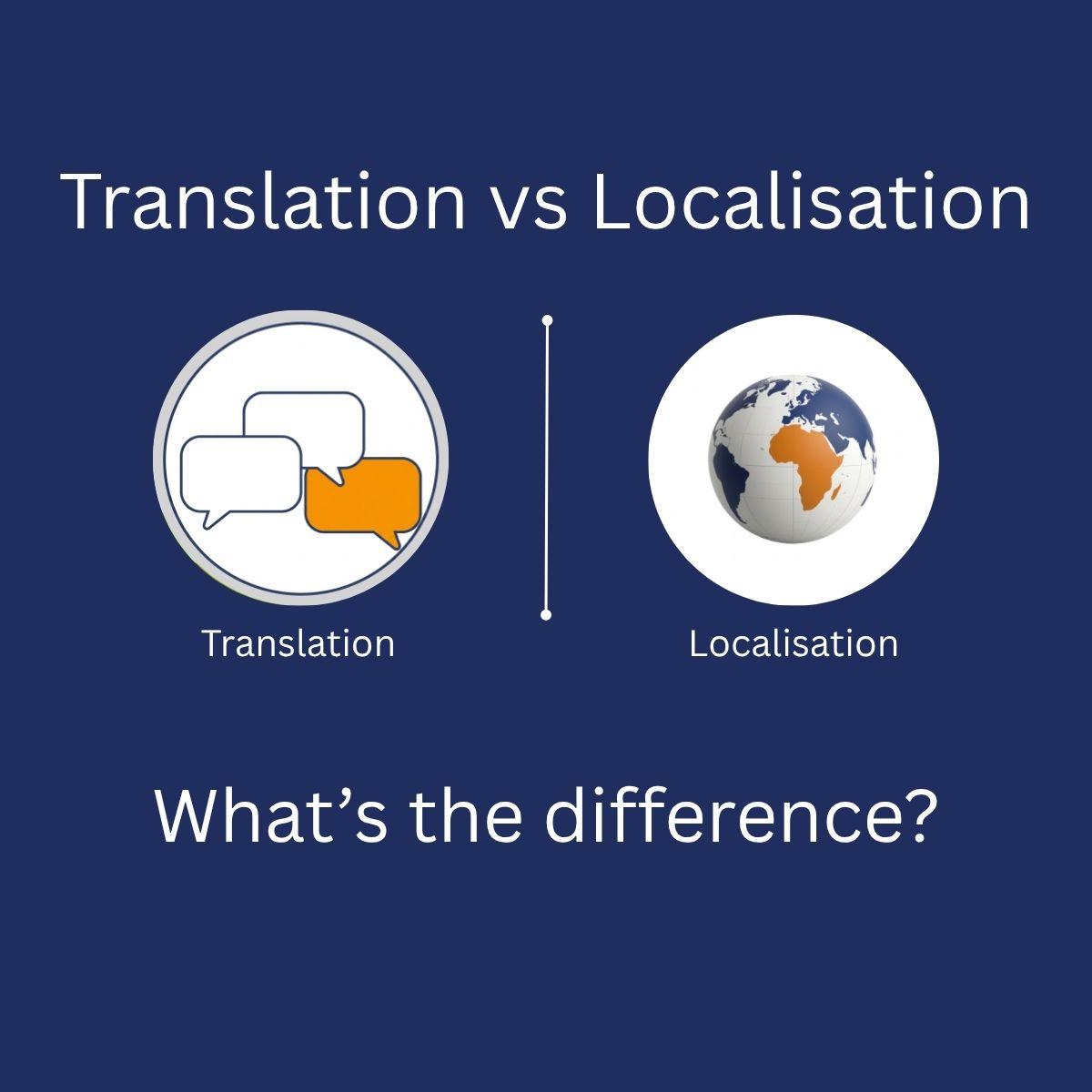
Multilingual content marketing is the practice of creating, adapting, and distributing content in multiple languages to connect with audiences across different regions. It goes beyond translation. It involves cultural adaptation, tone alignment, and strategic localisation to ensure that content feels native and relevant to each audience.
For B2B companies, this is not just a tactical choice. It is a strategic advantage. Research shows that most buyers prefer to engage with content in their own language, and many will not consider a product or service if the content is not localised (Ronan et al., 2023).
Multilingual content marketing helps businesses:
– Build credibility in new markets by speaking the customer’s language
– Improve visibility in local search engines through multilingual SEO
– Increase engagement and conversion rates by delivering relevant, localised messaging
A 2023 study on multilingualism in digital media found that brands using multilingual strategies on platforms such as LinkedIn and YouTube experienced significantly higher engagement and stronger brand perception (Rodríguez Vázquez & O’Brien, 2023).
A successful multilingual content strategy is built on six core pillars. Each one plays a critical role in ensuring your content performs across languages and markets.
 Effective multilingual marketing starts with understanding your audience. This includes:
– Language preferences and regional dialects
– Cultural values and communication styles
– Platform usage and content consumption habits
Segmenting your audience by language, industry, and buyer role—rather than just geography—enables more precise targeting and personalisation (Rodríguez Vázquez & O’Brien, 2023).
Localisation is more than translation. It involves adapting content to reflect the cultural, linguistic, and contextual norms of each market. This includes:
– Tone of voice and writing style
– Visual elements and colour symbolism
– Currency, measurements, and legal references
Rodríguez Vázquez and O’Brien emphasise that localisation is now a core component of digital content production, influencing everything from UX design to SEO structure (Rodríguez Vázquez & O’Brien, 2023).
Optimising content for search engines in each language is essential for discoverability. Key practices include:
– Conducting keyword research in the target language, not just translating English terms
– Using hreflang tags to signal language and regional targeting to search engines
– Adapting meta descriptions, URLs, and structured data for each locale
When implemented correctly, multilingual SEO can significantly increase organic traffic and reduce bounce rates (Chen & Li, 2024).
Different regions favour different platforms. For example:
– LinkedIn is dominant for B2B in the UK, Europe, and North America
– WeChat and Xiaohongshu are essential in China
– Instagram and TikTok are highly effective in Southeast Asia and Latin America
Tailoring your content format and tone to each platform ensures better engagement and brand consistency (Rodríguez Vázquez & O’Brien, 2023).
Cultural missteps can damage your brand’s reputation. It is essential to vet all content for local sensitivities, including:
– Idioms and humour
– Visuals and gestures
– Colour meanings and religious references
Multilingual content should be reviewed by native speakers or cultural consultants to ensure it aligns with local expectations (Müller & Schmid, 2023).
Tracking performance by language and region allows you to refine your strategy over time. Key metrics include:
– Engagement rates (clicks, shares, comments)
– Conversion rates (form submissions, quote requests)
– Bounce rates and time on page
Recent research highlights the importance of regional analytics in shaping multilingual content strategies that are both scalable and effective (Tanaka & Svensson, 2024).
Companies that invest in multilingual content marketing often see measurable results. One SaaS provider increased international leads by 47 percent after localising its blog and landing pages into five languages (Rodríguez Vázquez & O’Brien, 2023).
Multilingual advertising also improves brand recall and emotional connection, especially when the language used reflects the customer’s identity (Ronan et al., 2023).
To begin building your multilingual content strategy:
1. Audit your existing content for localisation opportunities
2. Identify high-potential markets based on traffic and demand
3. Develop a content plan that aligns with your business goals and regional priorities
4. Collaborate with experienced localisation professionals to ensure quality and consistency
Multilingual content marketing is not just about reaching more people. It is about reaching the right people, in the right way, with the right message.